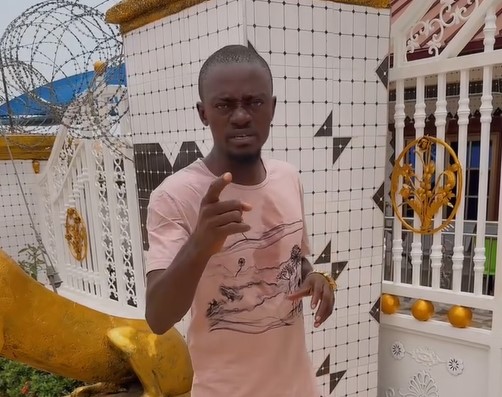

Ghanaian actor, director, and producer Kwadwo Nkansah, popularly known as Lilwin, has issued a strong warning to television stations across the country, cautioning them against pirating his works.
In a video shared on his social media on Tuesday, April 29, 2025, the comic actor did not hold back as he called out station owners and CEOs for allegedly showing Ghanaian and Nigerian movies without proper authorization. He expressed deep frustration over what he described as a lack of support for the local movie industry.
According to him, while these stations invest significant sums of money to acquire foreign content such as telenovelas, they often turn around to pirate local productions, particularly Nigerian films downloaded from YouTube—to fill their schedules.
” I can’t fathom how stations would pay for telenovelas but download and show Nigerian movies for free,” he lamented.
Lilwin made it clear that he would not tolerate any station airing his YouTube-posted movies without permission. He warned that any such action would be met with legal consequences, and hinted that if court proceedings take too long, he would personally escalate matters.
“The money I will demand when I sue you, erh… And if the case drags, I’ll take it to another level you won’t understand,” he threatened.
He stressed that instead of TV stations investing in local content to support the Ghanaian film industry, they prioritize foreign productions and then hide behind piracy concerns when questioned. Lilwin urged them to rather buy Ghanaian films, ensuring that the money remains in the country and helps filmmakers create more content.
Lilwin’s outburst follows a recent wave of complaints by other African filmmakers. Just days ago, Nigerian actresses and producers Bimbo Ademoye and Omoni Oboli, as well as Ghana’s Juliet Ibrahim, voiced their anger and disappointment over the piracy of their movies. Juliet Ibrahim, in particular, called out stations for broadcasting her films without any form of agreement or payment.
Their collective concerns have reignited calls for broadcasters to respect intellectual property laws and invest in the local creative economy. Lilwin believes that until TV stations begin to prioritize and legally support Ghanaian content, the industry will continue to suffer.